Fiction and nonfiction bound by the same editorial conviction. The list began with the publisher’s own titles and now includes work by other authors.

Cover
forthcoming
Daniel S. Alcorn
The tragic collision of three very different lives in a convenience store robbery in Galesburg, Illinois, on the evening before Thanksgiving. One is injured, one dies, and one goes to prison. The story follows the aftermath of that night and the legal and emotional battles that ensue.
Cover
forthcoming
Daniel S. Alcorn
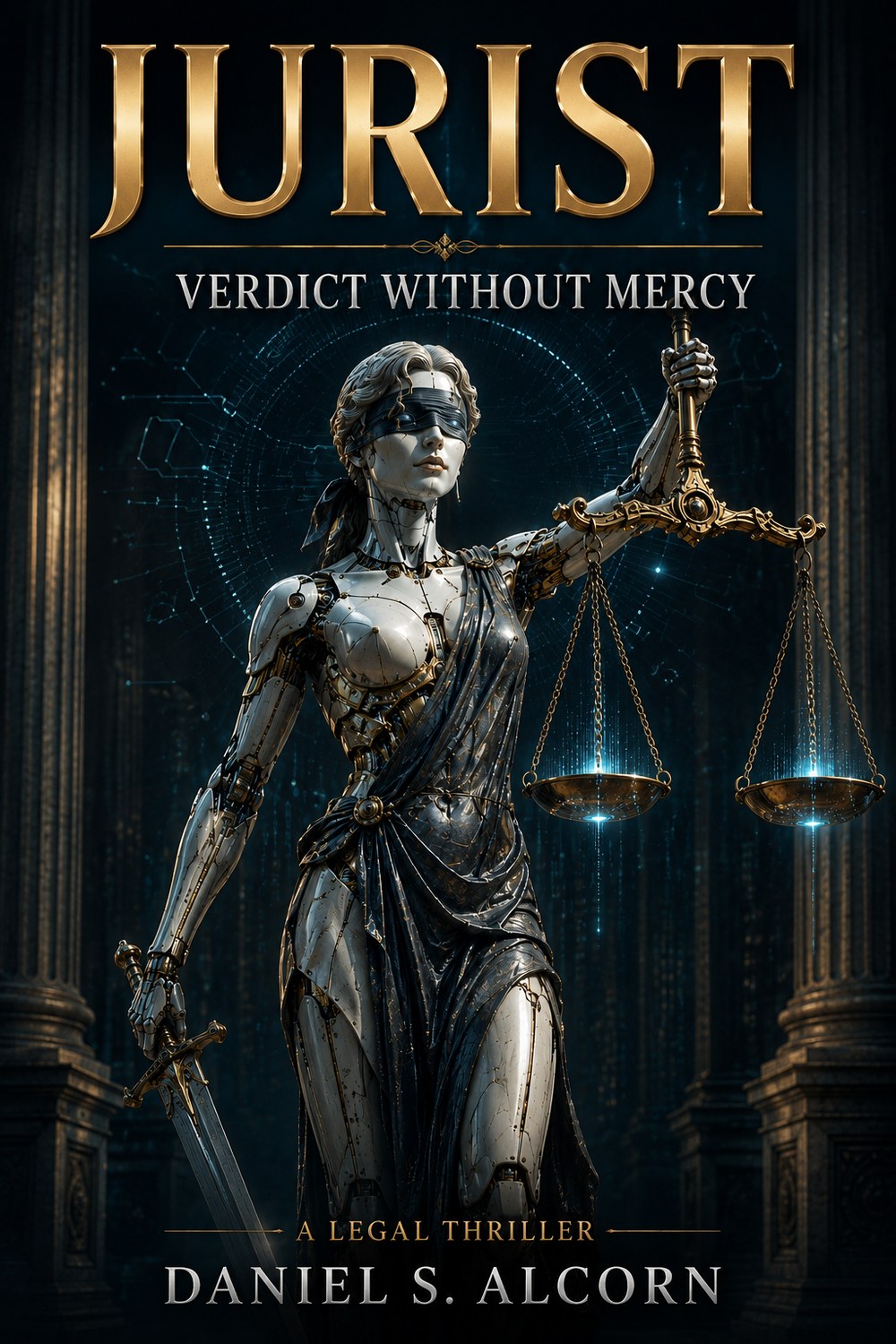
A novel exploring the limits of artificial intelligence as a substitute for human jurors — and what is lost when judgment is handed to a machine that cannot be moved.
Cover
forthcoming
Daniel S. Alcorn
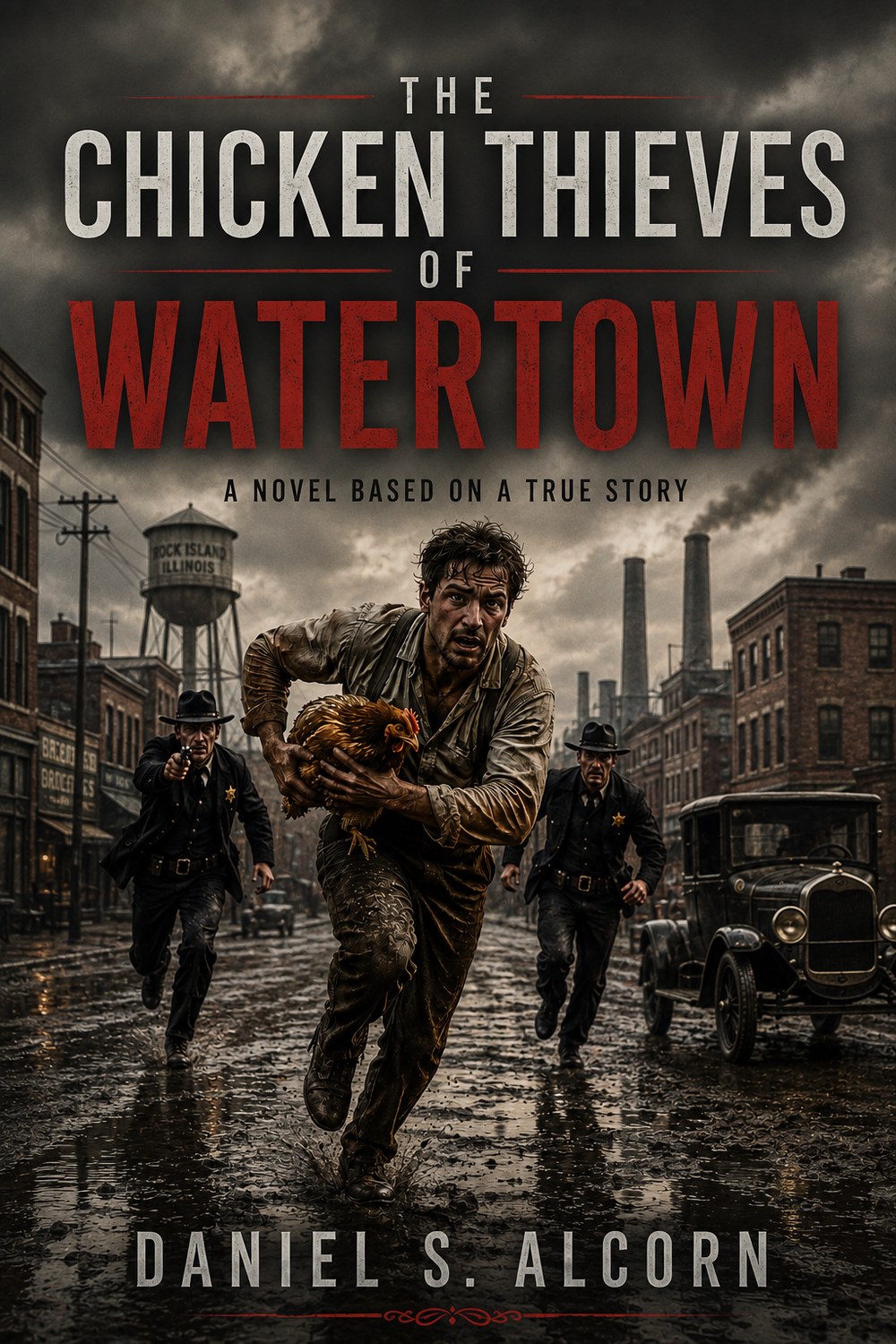
A multigenerational historical novel recounting the true story of Sam Rajkovic, a Croatian immigrant who in 1915 steals chickens to feed his impoverished family and is arrested by the Rock Island County Sheriff's Department. Shot while attempting to escape custody, Sam dies the following day. Days later his widow gives birth to their son, Dominilo, who becomes a ward of the court after the county denies his mother's application for assistance — and who lives a long life marked by a longing to discover his true origins.
Cover
forthcoming
Daniel S. Alcorn
An essay examining cruelty as a persistent and paradoxical feature of human nature and society across the millennia, and the law's uneven efforts to define it, regulate it, and at times justify it.
Cover
forthcoming
Daniel S. Alcorn
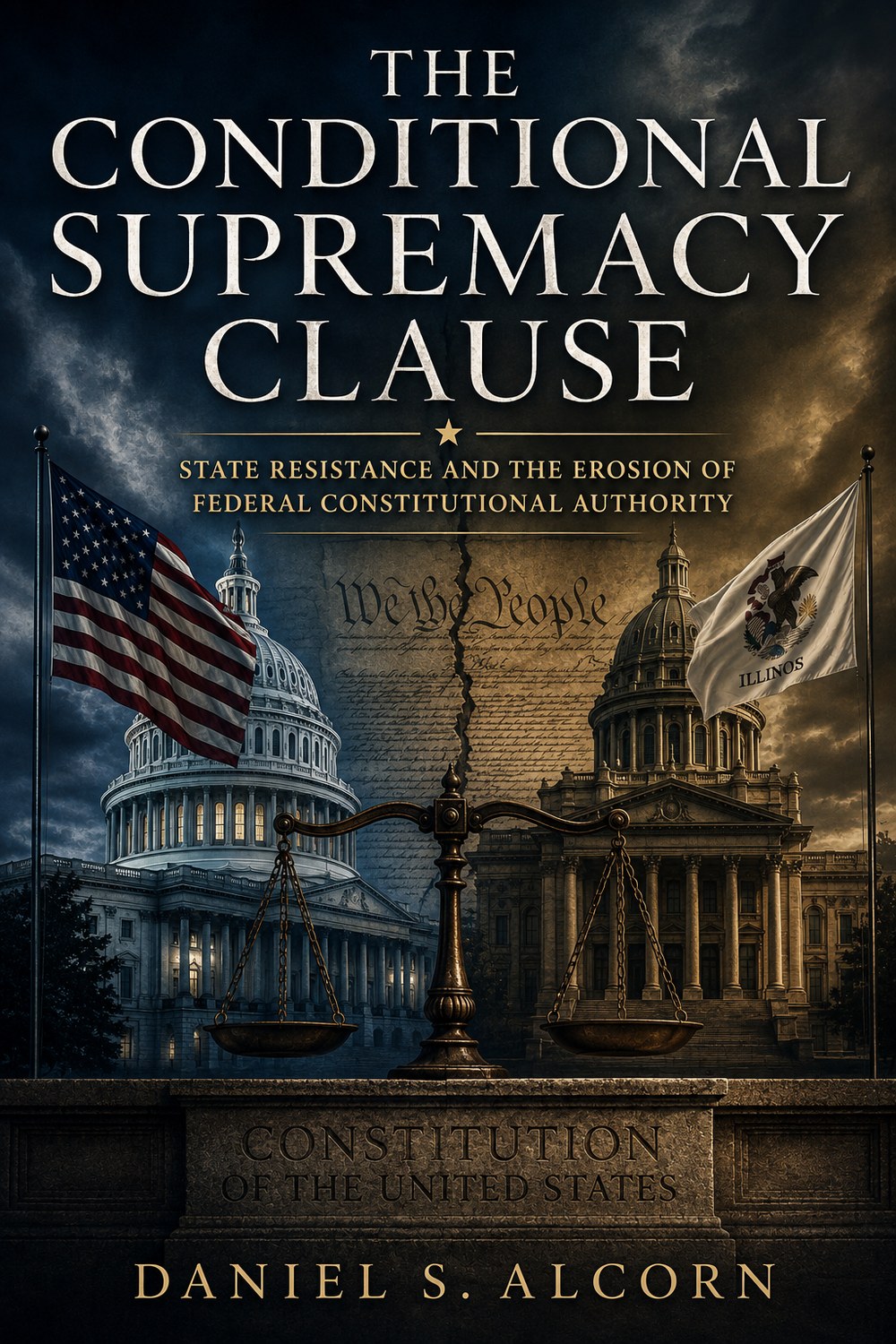
The Supremacy Clause declares federal law the “supreme Law of the Land,” yet modern American governance increasingly operates as though federal supremacy were conditional rather than binding. Across immigration enforcement, marijuana legalization, labor regulation, emergency medical care, environmental law, and artificial intelligence governance, states now enact policies that conflict with federal statutes or frustrate federal objectives while remaining operative for years without decisive judicial resolution. Existing scholarship treats these conflicts as ordinary features of cooperative federalism. This Article argues instead that they represent a structural shift in constitutional practice: federal supremacy has migrated from a rule of decision to a negotiated equilibrium dependent on political enforcement and institutional hesitation. Drawing on doctrinal analysis and contemporary case studies—including sanctuary jurisdictions, EMTALA–abortion conflicts, and emerging AI regulation—the Article develops the concept of conditional supremacy, explaining how tolerated conflict alters incentives for states, regulated actors, and federal institutions. The result is a constitutional order in which national uniformity erodes not through open nullification but through normalization of unresolved conflict. Reinvigorating federal supremacy, the Article concludes, requires renewed institutional enforcement rather than doctrinal innovation.
Cover
forthcoming
Coming soon
Daniel S. Alcorn
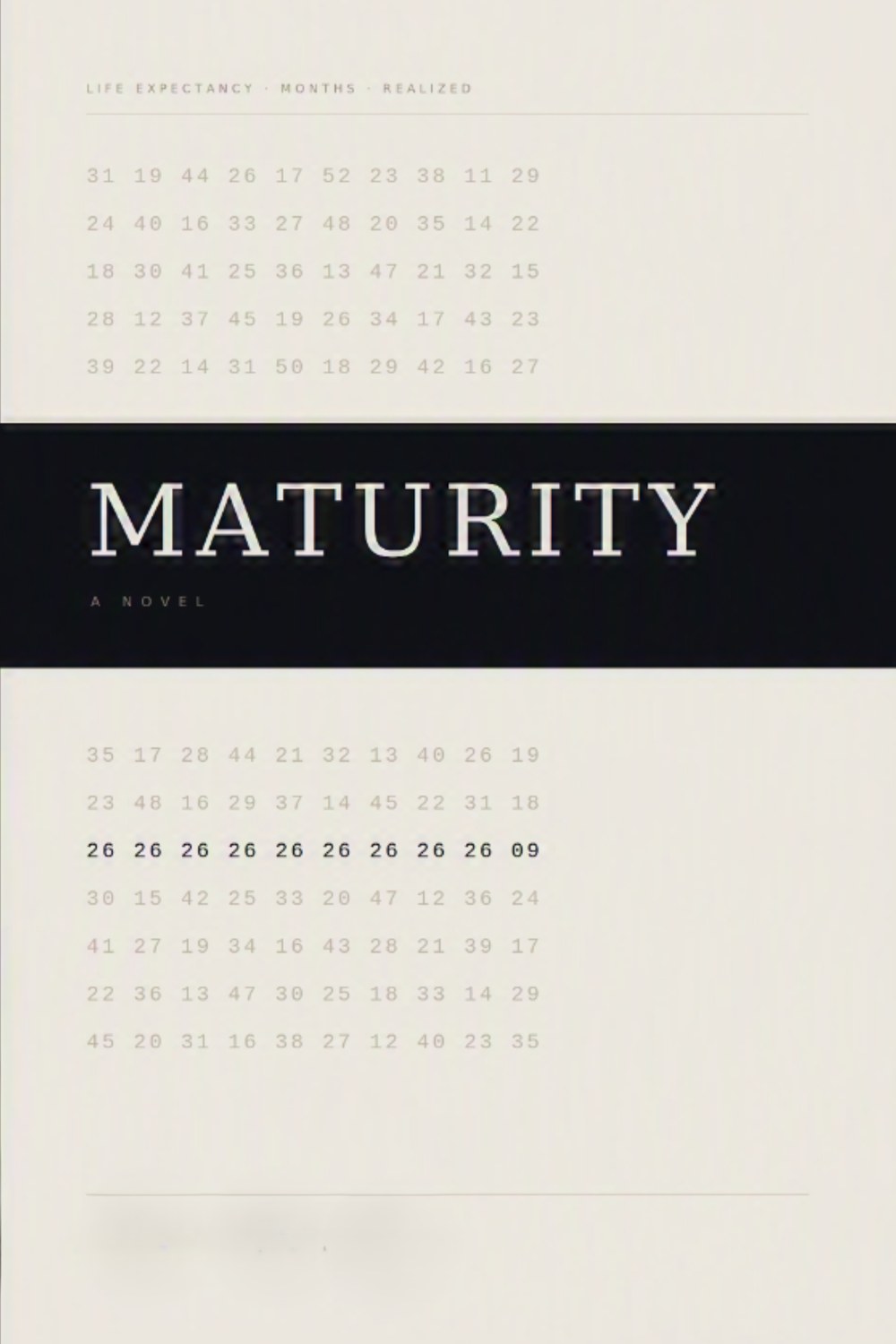
Dana Ruhl prices the lives of dying strangers. She reads their medical files and says how long they have, accurate to within four months. The fund she works for buys their life insurance policies, pays them seven times what their insurer would, and waits. It is honest work, and Dana has made an honest peace with it. Then a cohort begins dying ahead of her estimates — and what she finds is not a crime. No instruction. No order. Nobody's fingerprints. Only a placement algorithm and a network of cheaper facilities.

Cover
forthcoming
Coming soon
Daniel S. Alcorn
It doesn’t obtain confessions. It authenticates them.
SIFT was not built to catch liars. Its architect refused every technology that claimed to — no facial analysis, no voice stress, nothing that treats a nervous body as evidence. What it does instead is read the entire case file before anyone sits down, hold back what it knows until the moment disclosure means something, remember every word exactly, and refuse, always, to conclude. It offers you a lawyer. It tells you the truth. In four years it has sent home men that certain detectives were sure of.
Then Dale Mercer falls down his basement stairs.
A careful detective builds the most thorough file of his career and types one word into it that isn’t right. Six hours later, Margo Mercer says she pushed her husband — and the system Mirandizes her inside a minute, offers her counsel nine separate times, warns her plainly that confessing will not protect her daughter, and then authenticates every word she says against facts no one outside the investigation could know.
She pleads guilty. Nothing is ever tested.
Two years on, a post-conviction lawyer hunting a flawless interrogation finds the cleanest one ever conducted in the state of Ohio — and needs the woman in it to be guilty. The scientist who built the machine can explain exactly what went wrong and will not say it under oath. And in a house in Perrysburg there is a seventeen-year-old girl who has been waiting three years for somebody to ask her a question.
Nothing malfunctioned. Every safeguard worked. A word in a file was wrong.
A novel about the distance between what a machine says and what people hear.
Cover
forthcoming
Coming soon
Daniel S. Alcorn
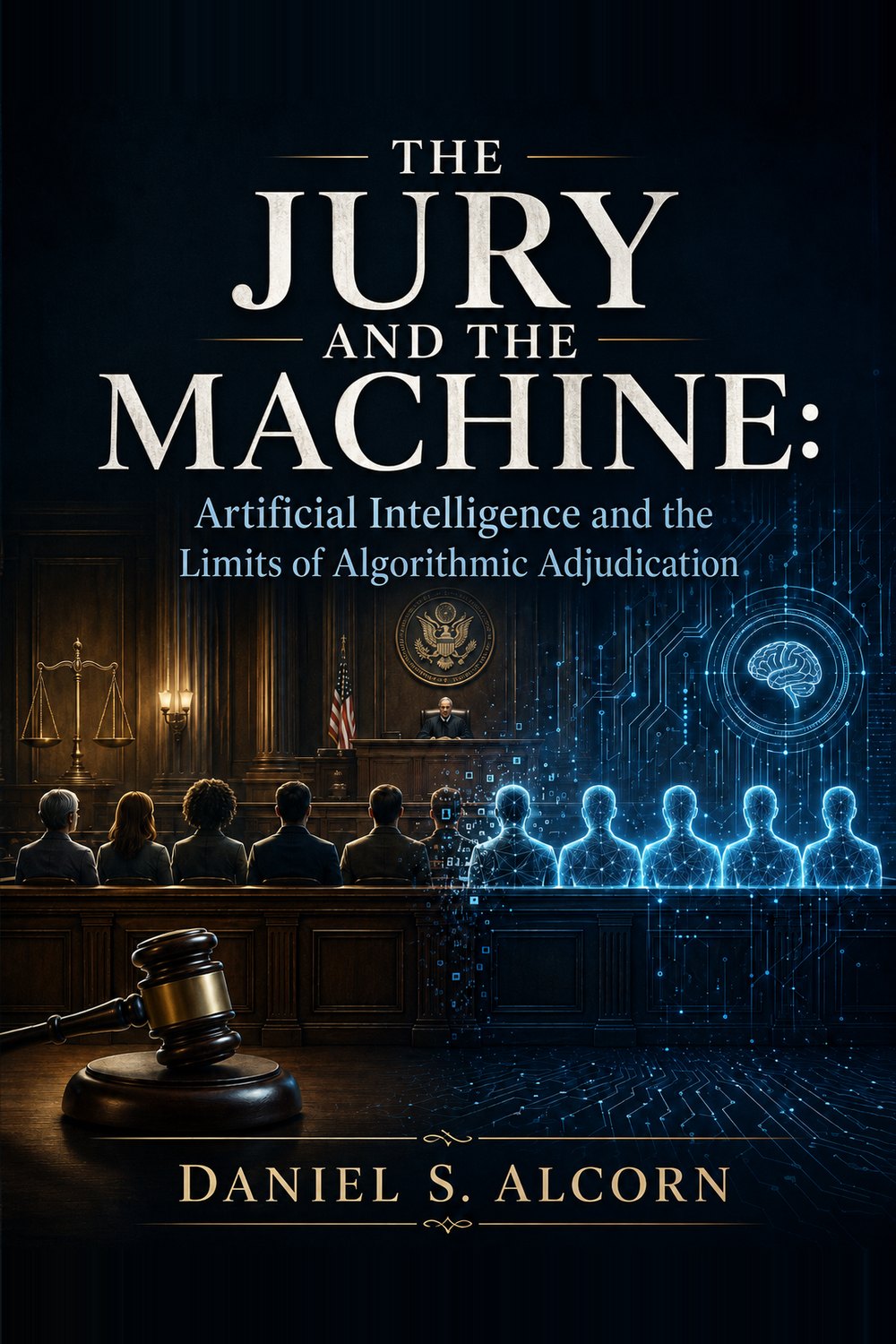
This book examines whether artificial intelligence can meaningfully substitute for the jury as the principal fact-finder in the American legal system. Rather than treating the question primarily as a constitutional issue governed by the Sixth and Seventh Amendments, the book approaches it as a problem of epistemology and institutional design: what cognitive and normative tasks does the jury actually perform when it renders a verdict, and can those tasks be replicated by computational systems? Drawing on scholarship in legal epistemology, cognitive psychology, and artificial intelligence, the book argues that the jury is not merely an evidence-weighing mechanism but an epistemic institution that integrates credibility assessments, narrative reasoning, and community moral judgment into authoritative determinations of legally sufficient truth under conditions of uncertainty. Jury verdicts emerge from a collective process of human interpretation structured by adversarial procedure, evidentiary rules, and deliberation—features that reflect the legal system’s recognition that fact-finding in trials is fundamentally interpretive and normative rather than purely computational. The book further argues that although contemporary AI systems—particularly machine learning models and large language models—excel at pattern recognition, large-scale document analysis, and probabilistic inference, these capabilities do not translate into reliable adjudicative judgment. Algorithmic systems remain vulnerable to hallucination, opacity, adversarial manipulation, and failures of contextual understanding, and they lack the embodied social reasoning and moral accountability that jury verdicts presuppose. Even if AI systems were eventually able to outperform human jurors in predictive accuracy, replacing juries with algorithmic decision-makers would transform adjudication from a democratic process of collective judgment into a technocratic system of optimized prediction, thereby undermining the institutional legitimacy that jury verdicts provide. The most plausible near-term role for AI is therefore augmentation rather than substitution: AI may assist juries by organizing evidence, reconstructing timelines, and translating complex expert testimony, but the ultimate act of judgment must remain human.
Cover
forthcoming
Coming soon
Luke Grisafi
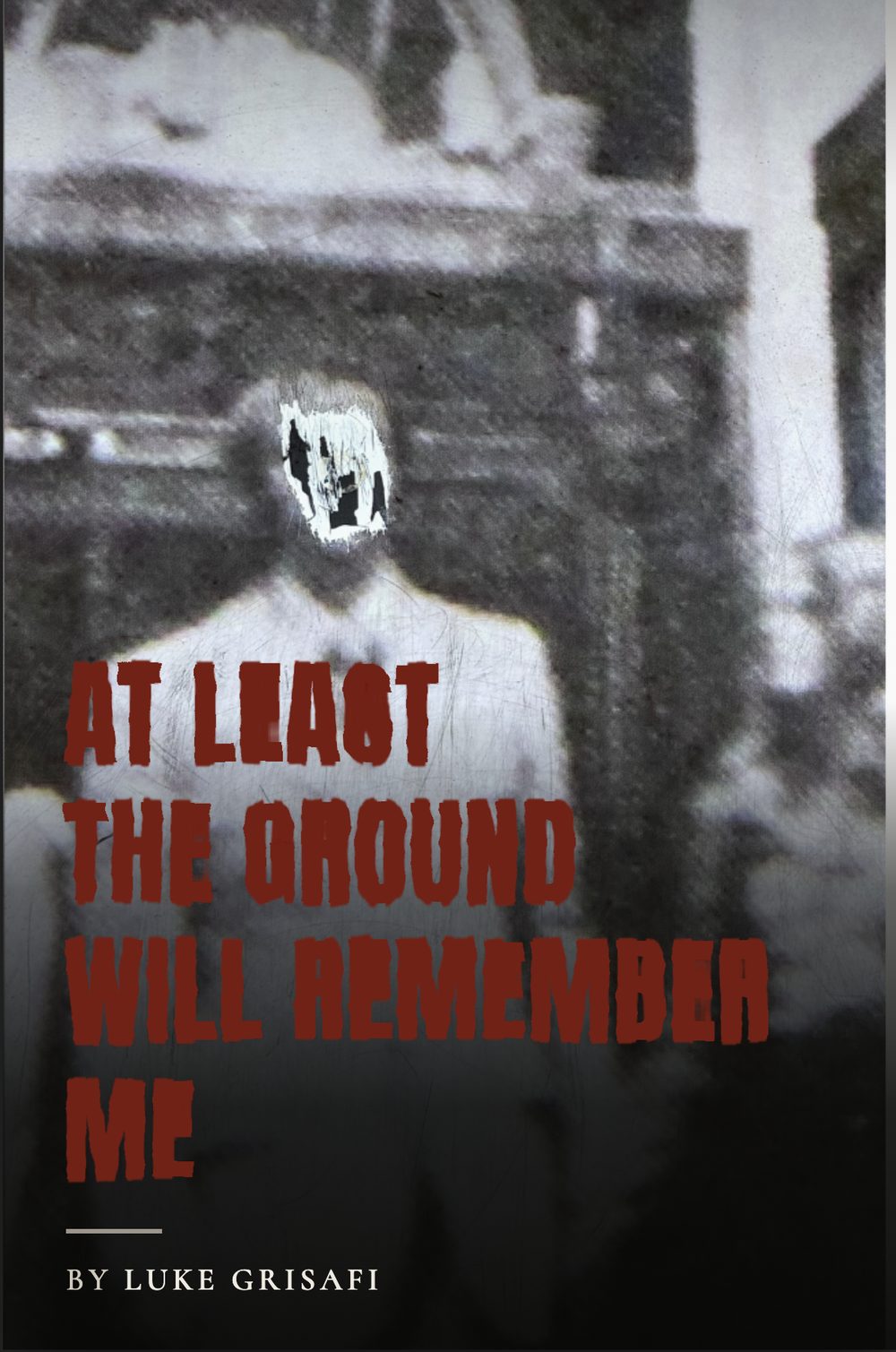
Elliot Crowe, a once-ubiquitous artist whose work hangs in every coffee shop and storefront, sits alone in a bar nine hours from home, drinking through the guilt of Mosswick — a “purified air” project he bankrolled that wiped out a sector and the three families living in it, a disaster he and his partners buried in paperwork and silence. He is in this obscure town only because his ex-wife, Kass, has made a series of humiliating public appearances the price of seeing their daughter, Luna. The locals fawn over his name; he wakes the next morning after a blackout relapse beside Quinn, a young escort he doesn’t remember calling, and arrives two hours late to speak at a rundown high school, where the script card he’s been handed contains, in a different ink, a line telling him to confess what he did in Mosswick — and a heckler in the bleachers shouts that the truth will surface. Rattled, he takes Quinn for coffee, dodges calls from his parents and Kass’s mediator, and is finally found there by the heckler: a young Mosswick survivor who wrote the card, whose mother and brother died inside the fence, and who wants neither money nor apology but for Elliot to fix his hand-drawn map of a place that no longer officially exists. Elliot, who has sworn he would never point anyone to that ground, picks up the pen and draws it, the one honest work he has made in years, and lets the phone ring out.
Cover
forthcoming
Coming soon
KayCee Jones
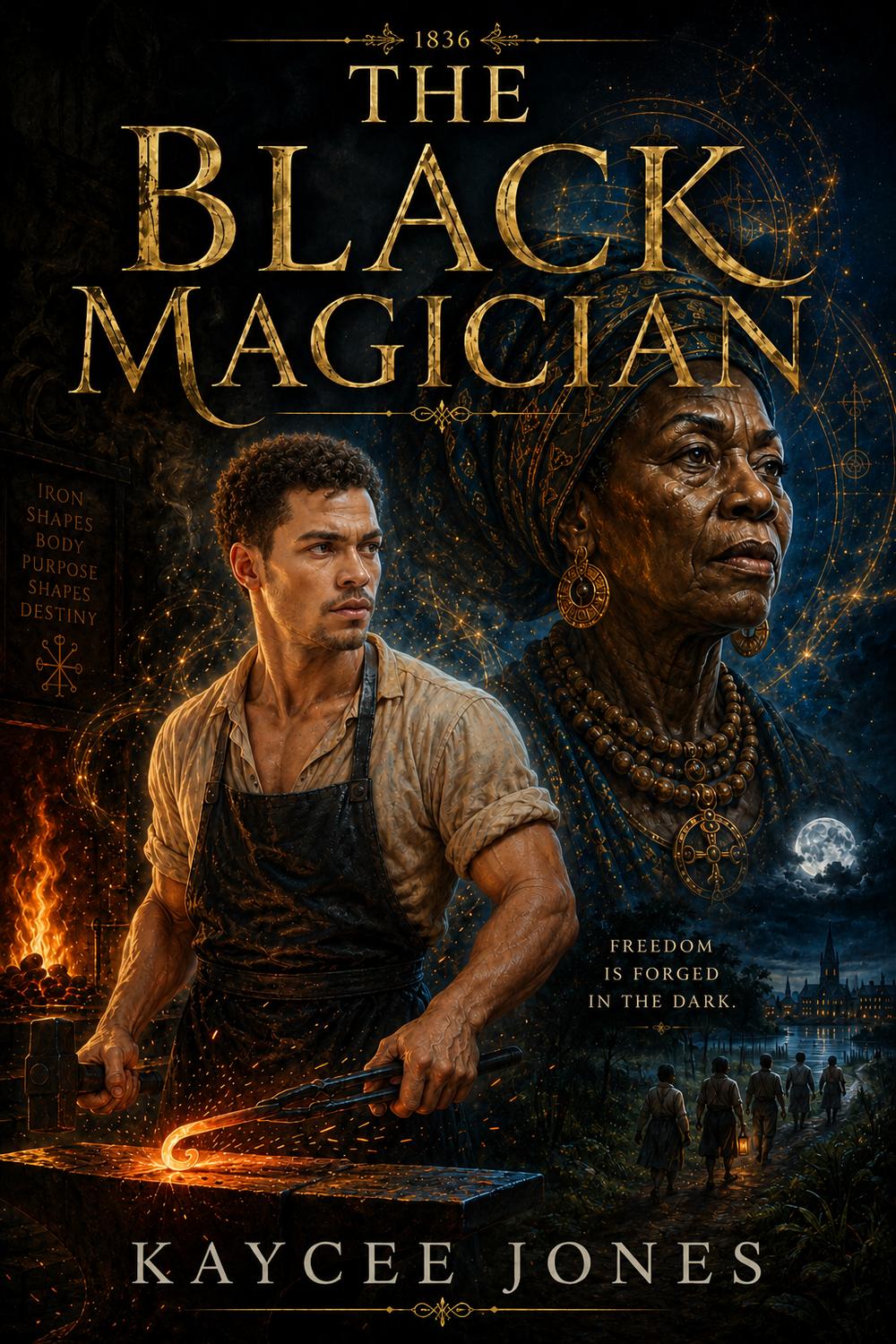
The Black Magician is the story of George, a highly intelligent enslaved blacksmith who uses disguise and invention to free other enslaved people — men and women with gifts that slavery has denied them the freedom to develop. The novel follows the lives they build beyond bondage and, in its Epilogue, places their fictional stories beside later historical figures such as Barack Obama, Oprah Winfrey, and Lewis Latimer as thematic heirs rather than asserted descendants.
George is guided by his grandmother, who is in truth an African princess stolen from her homeland and trained from birth by the best warriors, doctors, and scientists of her people. She teaches him his royal family history, the inventive gifts that run in their blood, and how to use his own talents to bring others out of bondage. Along the way, they are helped by a young white woman, Shelby, and by a Native American man who owes them his life.
As the escapes multiply, George must contend with slave catchers and a great many other trials. But with each seemingly impossible disappearance, his intelligence, ingenuity, and ability to stay one step ahead of those hunting them become impossible to ignore. One by one, enslaved people begin to vanish without a trace, and the brilliant Black man behind the disappearances thus earns the name — The Black Magician.
The magic of the story ultimately lies not in the supernatural, but in human potential — the extraordinary things people can accomplish when given the freedom to become who they were always capable of being.

Cover
forthcoming
In the works
Brett A. Homer
In the works.

Cover
forthcoming
In the works
Brett A. Homer
In the works.